How I Got a Patent for a 3D-Printed Pen Holder
The Problem
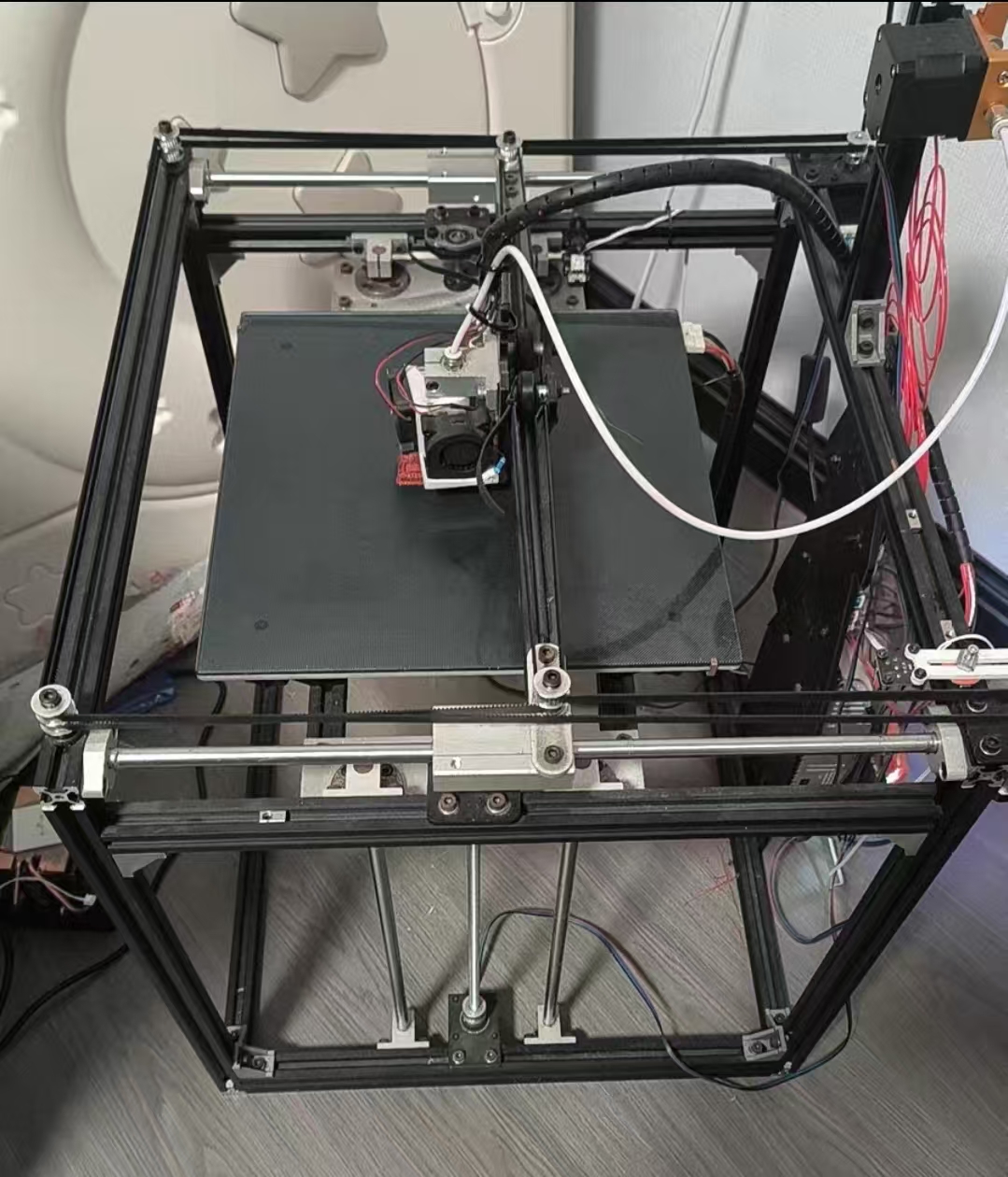
I bought a used 3D printer. It was cheap, but it was not perfect. The print head wobbled a little, and the layers were not always aligned. When I tried to print a pen holder, the walls came out uneven: some parts were too thin, others too thick.
I could have bought a new printer. But that costs money. Instead, I thought: what if I design the pen holder itself to tolerate these errors?
The Idea
Most pen holders are simple cylinders or boxes. They assume the printer works perfectly. But if the layers shift a little, the walls become weak at certain points.
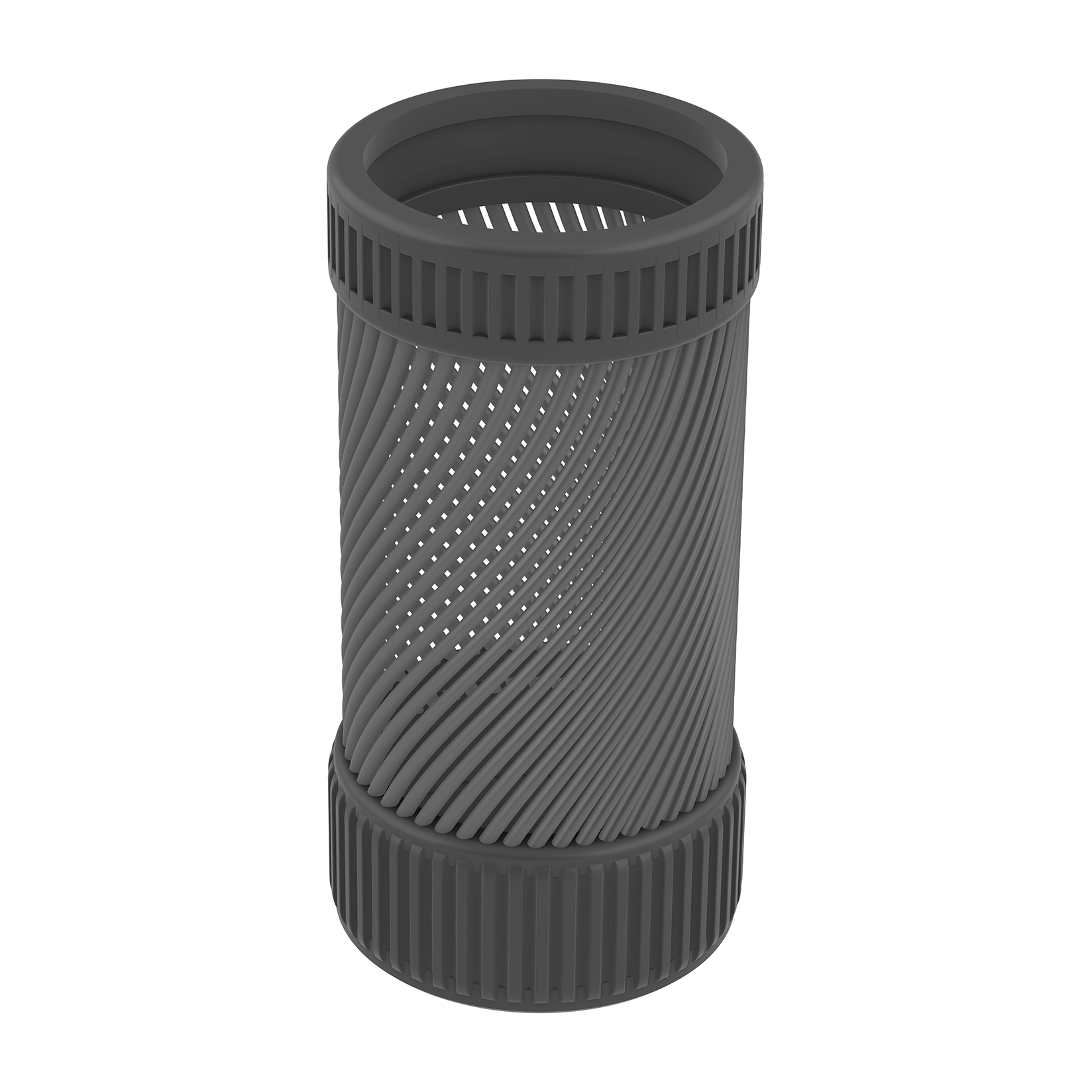
I designed a pen holder with thicker walls at the stress points and thinner walls where precision did not matter. The shape was not a simple cylinder: it had internal ribs that reinforced the structure even when the print was slightly off.
My idea was: instead of fighting the printer's limitations, I designed around them.
Building It
I used Tinkercad to design the model. It took a lot of tries. The first version was too complex: the printer could not handle the fine details. The second version was too simple: it did not have enough reinforcement.
The third version worked. I printed it on my old printer, and even with the wobble, the pen holder came out sturdy. The internal ribs absorbed the imperfections.
The Patent
I submitted my design for a utility model patent. The patent office approved it. I was surprised: I thought patents were only for big inventions, not for pen holders.
But the patent was not really about the pen holder. It was about the idea of designing for imperfection. Most engineering assumes perfect conditions. My design assumed the opposite.
What I Learned
This project showed me that constraints can be creative. When you cannot fix the tool, you can fix the design. Sometimes the limitation becomes the feature.
I also learned that you do not need expensive equipment to invent something. A cheap printer, a free design tool, and a little patience: that was enough.
← Back to Home