How I Won the Structure Challenge by Breaking My Own Design
The Challenge
In the Maker Contest, there was a structure challenge. The rules were simple: use the least amount of material to build a structure that holds the most weight.
I was the team leader, and my teammates and I spent weeks preparing. Before the contest, I looked at real skyscraper designs. I remembered seeing the Two IFC tower in Hong Kong and how its columns and trusses carried load. So I designed and built a balsa wood model inspired by that structure, and we practiced building it many times.
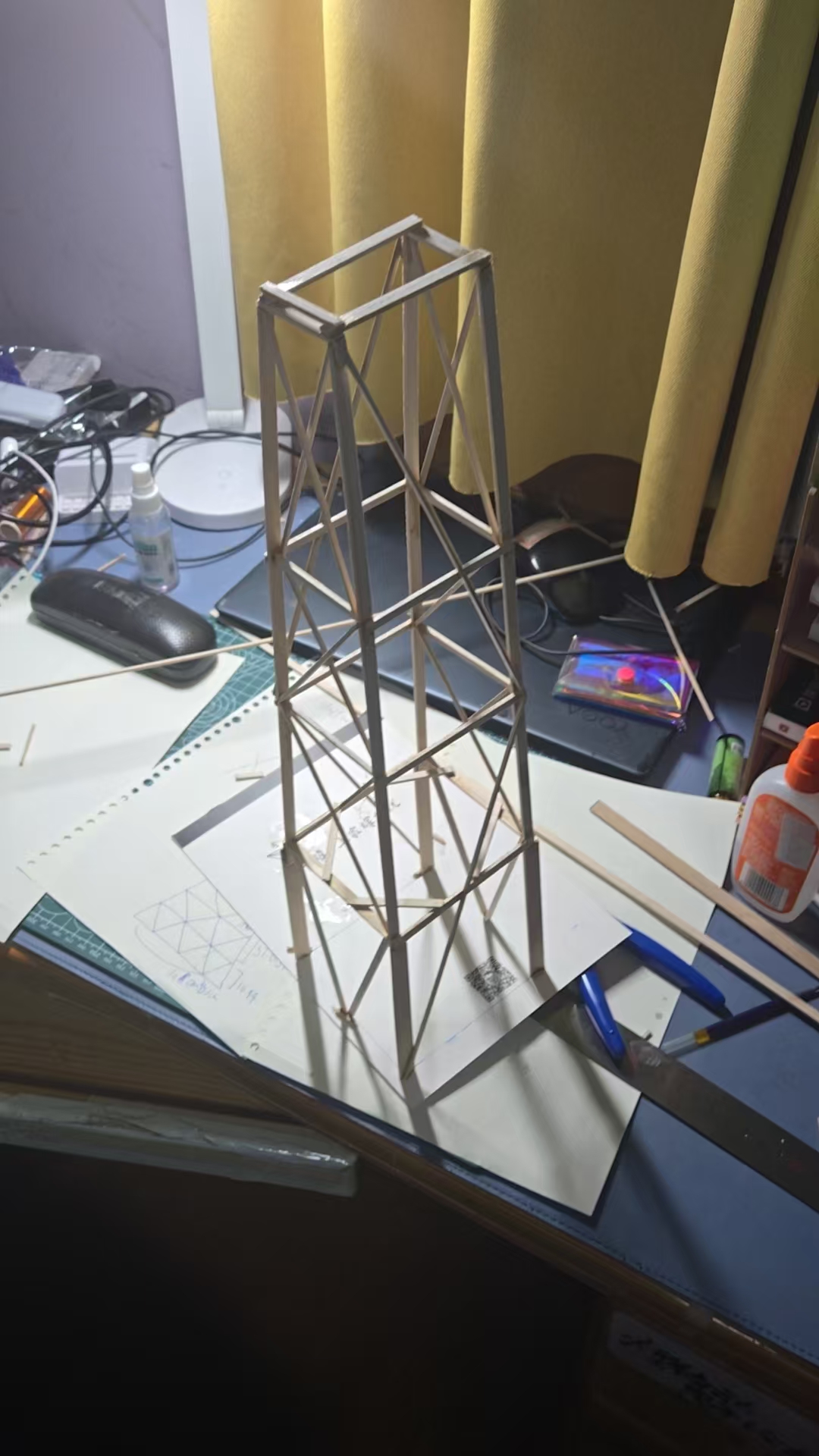
Figure 1: Building and gluing the truss framework on the desk with design sketches during training.
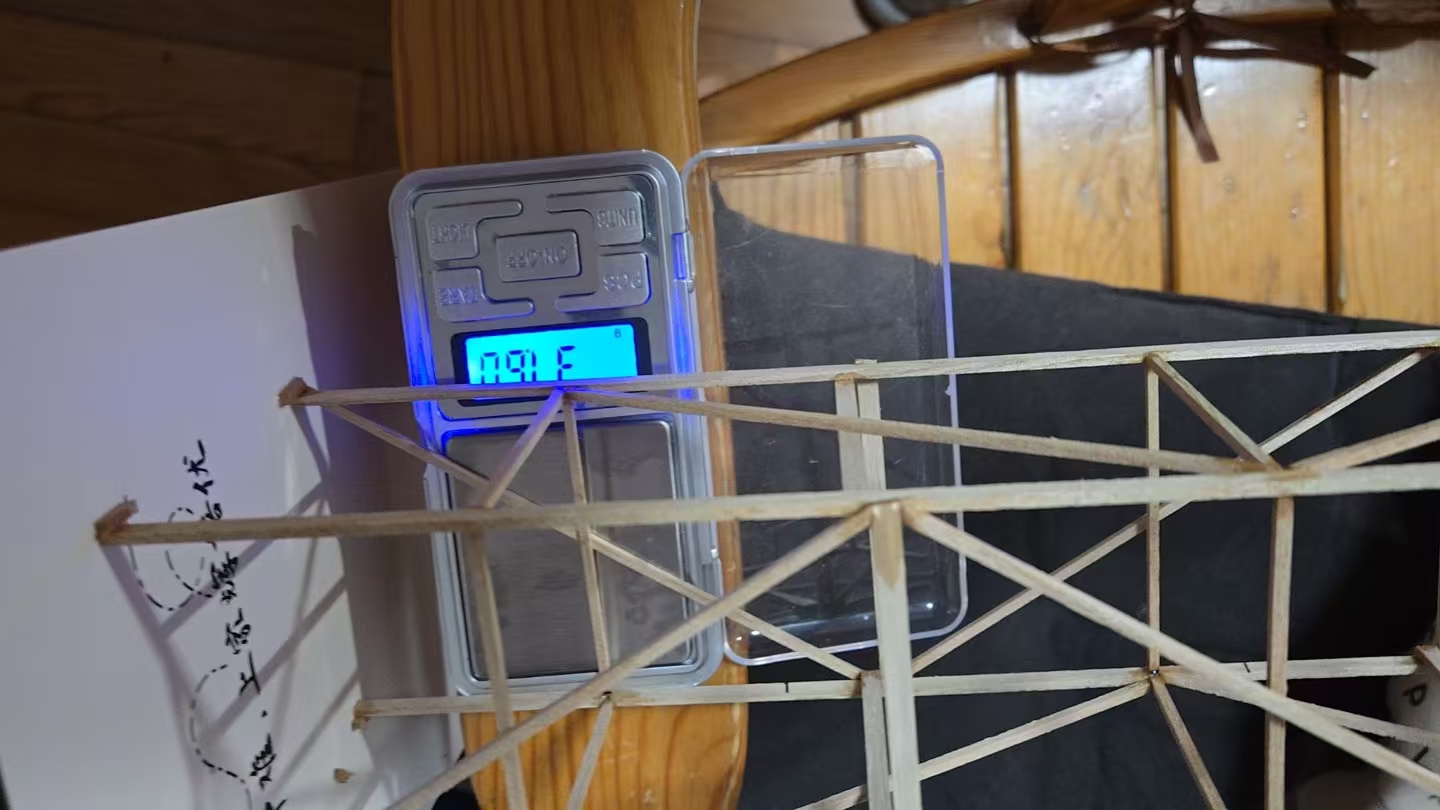
Figure 2: Weighing the test structure during training (reading 31.60 grams on the digital scale).
What Went Wrong
On the contest day, I told my teammates to cut some extra material so it would be easier to line up. We started building. Halfway through gluing the wood sticks, we found that some sticks were glued in the wrong place.
There was almost no material left.
My teammates measured the height. It was too low. My mind went blank. I looked down and saw the base of our structure.
Then I thought: the base could also be used as material.
I took a paper knife and took the base apart.
The Result
The height finally passed. Without the base, the structure was even more stable: the base was not supposed to be there in the first place. We got a prize.
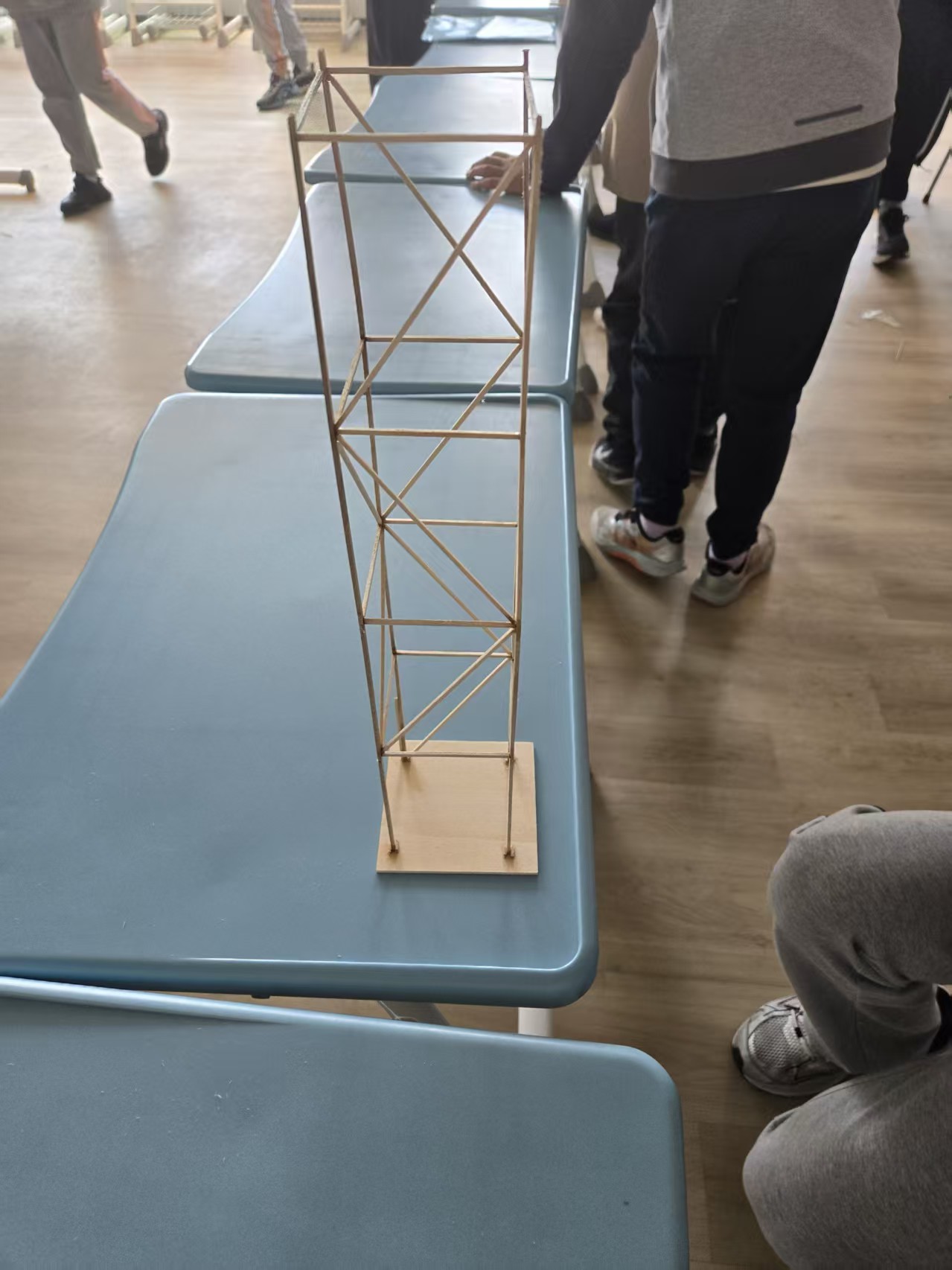
Figure 3: The actual version we used in the competition, standing on the contest desk after the height requirement passed.
At first I thought a whole layer was glued wrong. Later I found out that the base was not supposed to be there anyway.
What I Learned
This experience taught me to challenge unexamined assumptions: sometimes they are just habits. The base looked like it was part of the design, but it was actually making the structure worse.
In engineering, you sometimes have to break your own design to make it better.
← Back to Home